Boosting Profitability: The ROI of AI in WEEE Recycling
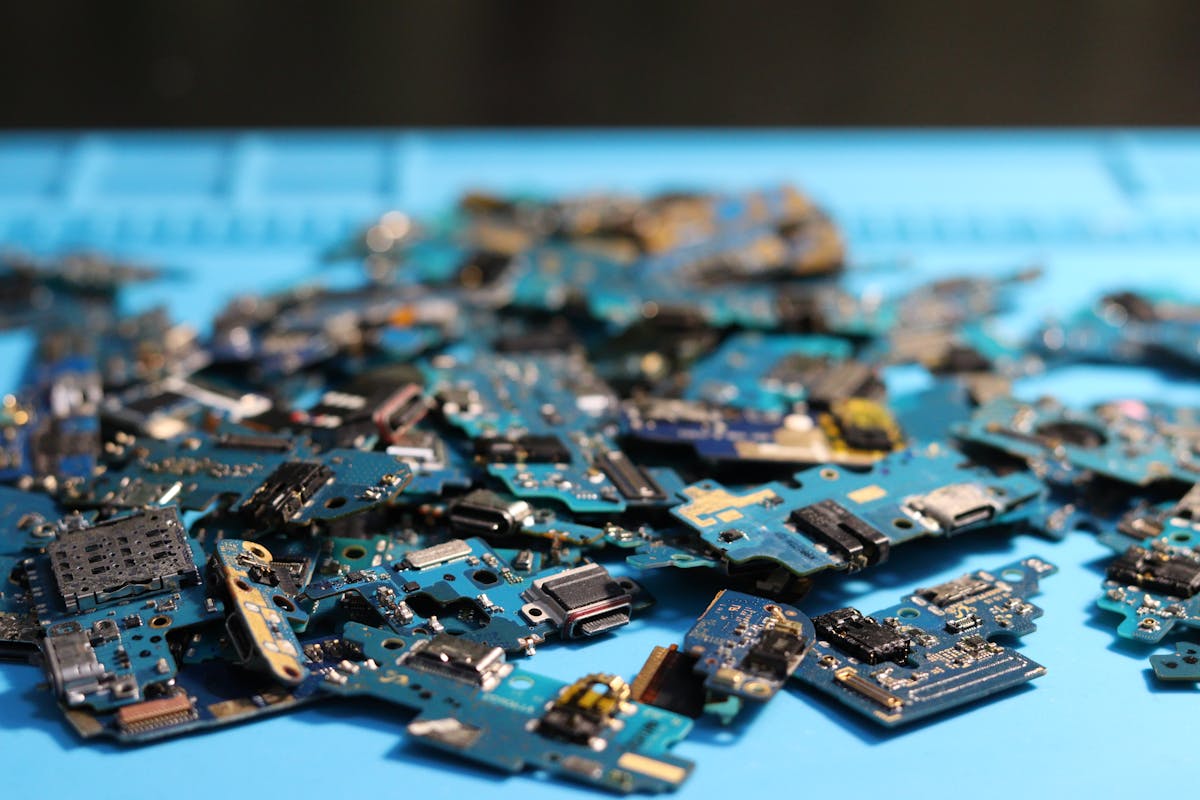
The mounting global challenge of electronic waste (WEEE) presents a dual reality: a significant environmental threat and an untapped economic opportunity. As regulatory pressures intensify and the demand for sustainable practices grows, WEEE recycling operations face increasing pressure to improve efficiency and material recovery. The traditional approach, often reliant on manual sorting and outdated mechanical processes, struggles to keep pace with the complexity and volume of modern e-waste streams. This is where artificial intelligence (AI) emerges not just as a technological enhancement, but as a critical financial lever, fundamentally reshaping the economics of WEEE recycling. For forward-thinking operators, AI-powered systems are no longer a luxury but a strategic investment, delivering measurable returns on investment (ROI) by boosting profitability and driving the circular economy forward.
How Does AI Maximize Material Recovery and Value in WEEE?
AI significantly boosts the purity and volume of recovered valuable materials, transforming previously complex and costly sorting tasks into efficient, revenue-generating processes. The sheer diversity of materials within WEEE – from various plastics and circuit boards to precious metals like gold, silver, and palladium, along with critical rare earth elements – makes precise identification and separation incredibly challenging for human sorters or traditional sorting machines. AI-powered computer vision systems, however, excel at this task. They can analyze waste streams at high speeds, identifying materials based on visual characteristics, spectral signatures, and even subtle textural differences that are invisible or indistinguishable to the human eye.
This precision directly translates into higher-grade output materials, which command better prices in the commodities market. For instance, a stream of sorted copper that is 99% pure will fetch a considerably higher price than one that is only 90% pure. Advanced AI systems, such as Neuvana AI’s Elysium, are designed to perform real-time classification on fast-moving conveyor belts with sub-100ms latency, ensuring minimal valuable material loss and maximum purity. This capability allows recyclers to recover a wider array of valuable components, including smaller, more intricate parts that would typically be overlooked or discarded, thereby unlocking new revenue streams. According to a 2022 report by Circular Economy Europe, advanced AI sorting technologies can increase the recovery rate of high-value materials in mixed WEEE streams by an average of 25-35%, directly impacting bottom-line revenue.
What Are the Key Operational Cost Savings with AI-Powered WEEE Sorting?
AI reduces labor dependency, improves throughput, and minimizes misclassification errors, leading to substantial operational cost savings for WEEE recycling facilities. One of the most significant cost components in traditional recycling operations is labor. Manual sorting is not only slow and prone to errors but also exposes workers to hazardous materials and repetitive strain injuries. By automating the most demanding and precise sorting tasks, AI systems can drastically reduce the need for manual labor in these specific areas, allowing human staff to be redeployed to higher-value oversight, maintenance, or specialized processing roles.
Furthermore, AI systems operate with unwavering consistency and efficiency, 24 hours a day, 7 days a week, without breaks or fatigue. This continuous operation leads to significantly higher throughput rates compared to human-centric operations. Faster processing means more material can be handled in a shorter period, increasing the overall capacity and productivity of the plant without the need for physical expansion. The reduction in misclassification errors also translates into fewer valuable materials ending up in landfills and less contamination in sorted streams, which would otherwise incur additional processing costs or reduce the market value of the output. A study by the Waste & Recycling Technology Institute estimated that integrating AI sorting systems can reduce operational costs, primarily labor and re-sorting expenses, by 15-20% within the first two years of deployment for a medium-sized WEEE recycling facility.
How Can WEEE Recycling Operations Measure AI’s Return on Investment?
Measuring the ROI of AI in WEEE recycling involves a clear calculation based on increased revenue from higher-purity materials, reduced operational expenses, and improved throughput efficiencies. The investment in AI technology, while significant initially, quickly demonstrates its value through several quantifiable benefits. On the revenue side, the direct impact of enhanced material recovery and purity is straightforward: more valuable materials sold at higher prices. Recyclers can track the average market value of their sorted commodities before and after AI implementation to see the uplift.
On the cost side, the savings are equally tangible. Reduced labor costs, lower energy consumption due to optimized processes, and decreased landfill disposal fees for residual waste (as less valuable material is discarded) all contribute to a healthier profit margin. Throughput improvement, enabled by systems like Neuvana AI’s Elysium, allows facilities to process a greater volume of WEEE, effectively increasing their operational capacity without scaling up physical infrastructure. The ROI calculation should consider:
- Increased Revenue: (New average selling price of materials - Old average selling price) x Volume.
- Reduced Operational Costs: (Old labor costs - New labor costs) + (Old disposal fees - New disposal fees) + (Other efficiency gains).
- Initial Investment: Cost of AI hardware, software, installation, and integration.
By comparing these gains against the initial investment, WEEE recyclers can accurately project and track their payback period, often finding that the system pays for itself within a few years, sometimes even sooner for high-volume operations.
Is Investing in Automated WEEE Sorting a Sustainable Business Strategy?
Absolutely, AI-driven automation is not merely an incremental improvement; it is a fundamental pillar for long-term sustainability and profitability in the WEEE recycling sector. As global consumption of electronics continues to surge, the volume and complexity of WEEE will only grow. Relying on outdated methods is not only economically inefficient but also environmentally irresponsible. AI-powered sorting aligns perfectly with the principles of the circular economy, which aims to keep resources in use for as long as possible, extract the maximum value from them whilst in use, then recover and regenerate products and materials at the end of each service life.
By maximizing material recovery, AI systems help conserve finite natural resources, reduce energy consumption associated with extracting new raw materials, and minimize the environmental impact of waste disposal. This commitment to sustainability also enhances a company’s brand reputation and attracts investment from environmentally conscious stakeholders. Furthermore, the regulatory landscape is continuously evolving, with stricter targets for recycling and recovery being implemented globally. Companies that invest in advanced AI solutions are better positioned to meet these evolving compliance requirements, mitigating risks and securing a competitive advantage.
“The true value of AI in WEEE recycling extends beyond immediate financial gains. It’s an investment in resilience, enabling operations to adapt to future material complexities, navigate tightening regulations, and contribute meaningfully to a truly circular economy. Those who embrace this shift early will not only lead the market but also shape the sustainable future of waste management.”
Addressing Implementation Challenges and Ensuring Seamless Integration
While the benefits are clear, the initial investment and integration of AI systems require careful planning, but modern AI solutions are designed for seamless deployment. Concerns about upfront costs, the complexity of integration with existing infrastructure, and the need for specialized technical expertise are common. However, leading AI providers, including Neuvana AI, offer comprehensive support, from initial site assessment and system design to installation, calibration, and ongoing maintenance.
Our Elysium system, for example, is engineered for robust performance in demanding industrial environments, with an emphasis on modularity and adaptability. This means it can often be integrated into existing conveyor lines with minimal disruption. The data requirements for training and operating these systems are managed through advanced algorithms that continually learn and improve, ensuring optimal performance over time. Investing in AI also means investing in a partnership with experts who can guide the transition, ensuring that the technology delivers on its promise of enhanced profitability and efficiency.
The era of manual, inefficient WEEE recycling is rapidly drawing to a close. AI-powered systems are not just improving recycling processes; they are fundamentally transforming the economic viability of the entire industry. By delivering unparalleled precision in material recovery, dramatically reducing operational costs, and providing clear pathways to measurable ROI, AI is empowering WEEE recyclers to turn a global challenge into a significant opportunity. Neuvana AI’s Elysium exemplifies this shift, enabling real-time classification and sub-100ms latency to unlock unprecedented levels of efficiency and profitability. The future of WEEE recycling is intelligent, efficient, and profitable, driven by advanced AI, laying the groundwork for a more sustainable and resource-efficient world.